Understanding Custodial Crypto Wallets Through Clear, Neutral Insights
Dlaz is an educational blog exploring custodial crypto wallets, digital asset custody, security, regulation, and related concepts from an informed, neutral perspective.
Dlaz is an educational blog exploring custodial crypto wallets, digital asset custody, security, regulation, and related concepts from an informed, neutral perspective.
DLAZ is an educational blog dedicated to helping readers better understand custodial crypto wallets and the broader ideas surrounding digital asset custody. The DLAZ wallet is discussed as an educational example within this context, helping readers explore how custodial wallet structures may work and how they differ from self-custody. Based in Germany and created within the context of a leasing financial institution, the blog maintains a clear separation between educational content and commercial activity. We do not provide crypto wallet services, manage digital assets, promote investment products, or act as an intermediary for transactions. Instead, DLAZ focuses on explaining custody models, private key management, security practices, and relevant regulatory and technological developments. Our content is designed for readers with different levels of knowledge and presents both opportunities and limitations in clear, neutral language. DLAZ aims to provide a structured environment for learning about the evolving field of digital asset custody.
Dlaz is suitable for people who are encountering custodial crypto wallets for the first time. Beginners may know that digital assets can be stored through wallets but may not understand the difference between custodial and non-custodial arrangements, who controls access, or how security responsibilities are divided. Our introductory content explains these concepts step by step, using accessible terminology and practical context. Readers can build their knowledge gradually without needing to understand blockchain technology or financial infrastructure in advance.
Some readers already understand traditional finance, blockchain, or digital assets and want to explore custodial structures in greater depth. Dlaz provides educational material covering wallet architecture, custody models, security controls, operational processes, and the relationship between technology and financial infrastructure. The blog can serve as a reference point for readers who want to connect individual concepts and understand how custodial crypto wallets fit into the wider digital asset ecosystem.
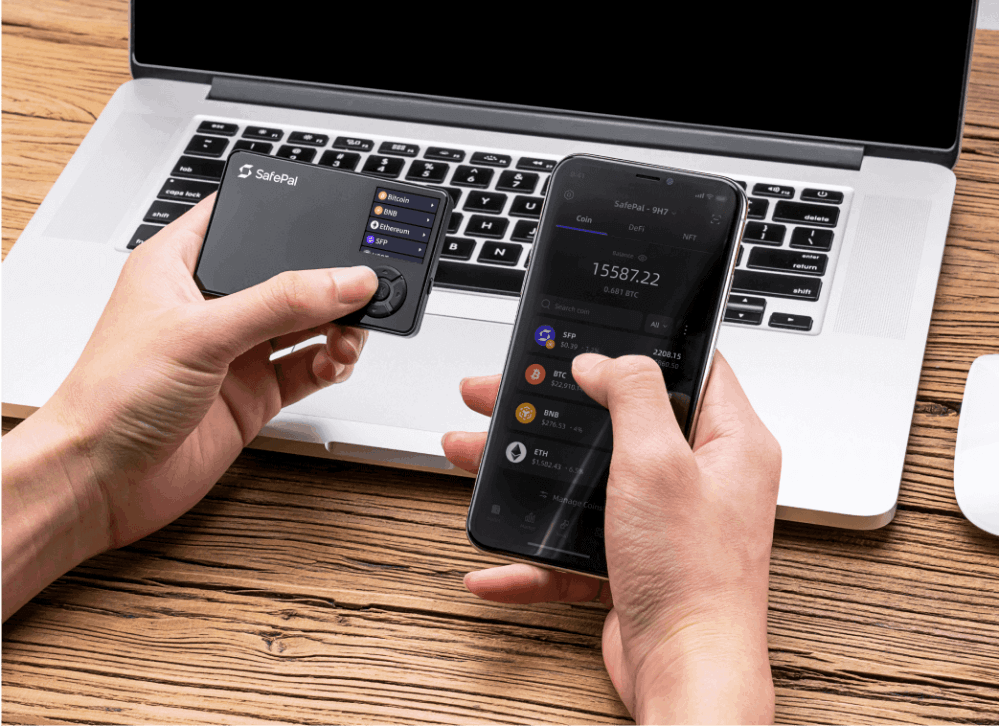
Dlaz also welcomes readers who are interested in following the development of digital assets without actively participating in the market. They may be observing changes in technology, regulation, institutional practices, or financial infrastructure simply because these developments are becoming increasingly relevant. For this audience, the blog provides neutral explanations and broader context. Readers can follow emerging ideas, understand new terminology, and examine how custodial crypto wallets relate to wider changes in finance and technology without receiving promotional investment guidance.
Our mission at Dlaz is to make information about custodial crypto wallets easier to understand, including the concepts and principles associated with the DLAZ wallet. Digital assets involve technical concepts, unfamiliar terminology, evolving standards, and different approaches to security and ownership. This can make basic questions surprisingly difficult to answer. We address this challenge through educational articles that explain concepts in straightforward language and place them in a broader financial and technological context. Dlaz does not encourage readers to buy, sell, store, or invest in any particular digital asset, nor does it recommend specific providers or products. Our goal is knowledge rather than persuasion. We examine subjects such as wallet architecture, private keys, custody models, security controls, institutional practices, regulatory considerations, and the differences between custodial and non-custodial arrangements. As a Germany-based publication connected to a leasing financial institution, we value responsible communication, clarity, and a careful distinction between factual information and individual interpretation. We believe informed readers are better equipped to evaluate developments in digital asset custody independently.
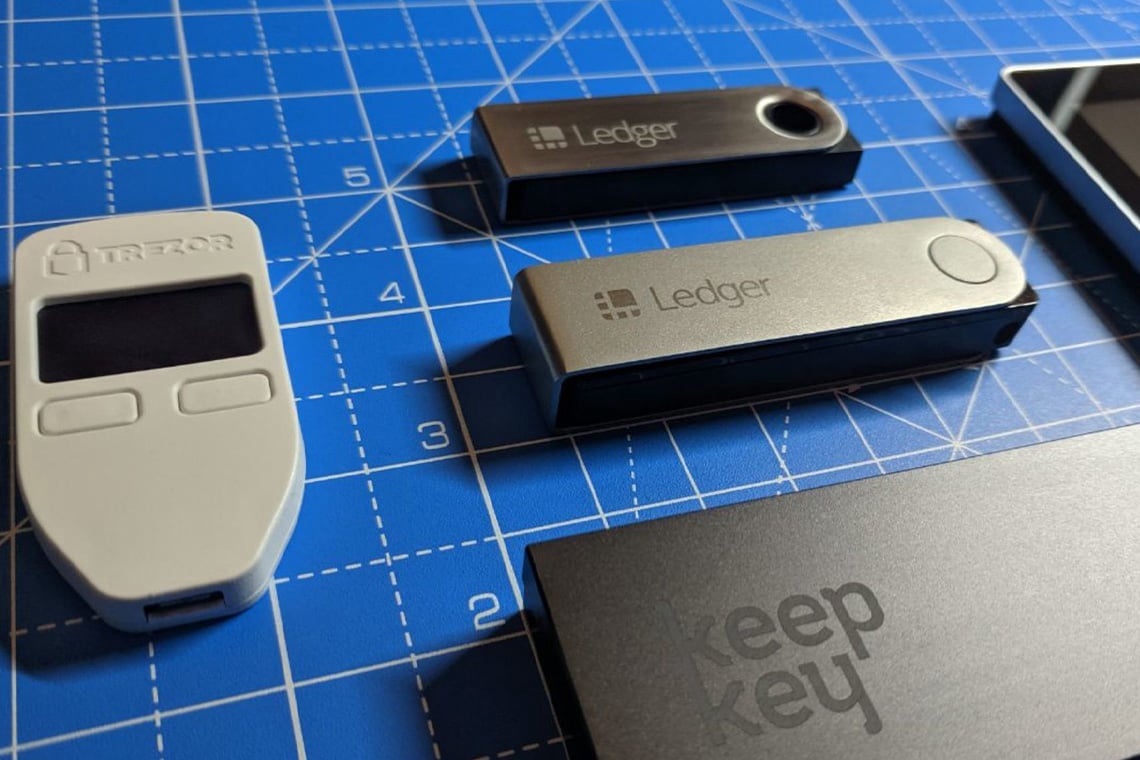
A custodial crypto wallet is a type of digital asset wallet where a third party manages the private keys associated with the assets. The user typically accesses their holdings through an account or wallet interface while the custodian handles key management and related security procedures.
The main difference is control over private keys. With a custodial wallet, a third party manages the keys and associated security processes. With self-custody, the individual generally controls the private keys directly and is responsible for protecting them.
Private keys are cryptographic credentials used to authorize transactions involving blockchain-based assets. Whoever controls the relevant key generally has the ability to authorize activity associated with those assets. For this reason, protecting private keys is a fundamental part of digital asset custody.
Security depends on how a particular custody arrangement is designed and operated. Measures may include authentication, access controls, monitoring, secure key storage, internal procedures, and other safeguards. No custody model should be considered risk-free, and different arrangements may have different security characteristics.
Custodial wallets can be relevant to individuals, organizations, and other participants who prefer to have certain aspects of digital asset security and key management handled by a specialized third party. The reasons for choosing custody can vary depending on technical knowledge, operational requirements, and preferred allocation of responsibility.

Custodial crypto wallets are designed to store and manage digital assets through a third party that controls the associated private keys. Instead of handling every security responsibility independently, the wallet user relies on the custodian to maintain access controls and protective measures. This model can simplify certain aspects of digital asset management, but it also introduces questions about trust, operational security, and responsibility. Understanding these principles helps readers distinguish custodial arrangements from self-custody and evaluate how each model approaches access and protection.

Private keys play a central role in controlling blockchain-based assets. In a custodial crypto wallet, the private keys are generally managed by the custody provider rather than directly by the individual user. This arrangement can involve internal controls, access procedures, security systems, and monitoring designed to reduce unauthorized access. The model changes how responsibility is distributed compared with self-custody. Understanding private key management is therefore important when examining how custodial wallets operate and why security practices are a fundamental part of digital asset custody.

Custodial and non-custodial wallets differ mainly in who controls the private keys. With custodial arrangements, a third party manages key access and related security processes on behalf of users. With non-custodial wallets, individuals generally maintain direct control over their own keys and are responsible for protecting them. Neither model removes the need for careful security practices. Comparing these approaches can help readers understand how control, responsibility, access, and operational risk are distributed across different types of crypto wallet structures.

Security is a central consideration in any custodial crypto wallet system. Custody arrangements may involve multiple layers of protection, including authentication procedures, access controls, monitoring, secure key storage, and internal operational policies. The exact approach can vary between organizations and technologies. It is also important to recognize that security is not limited to preventing external attacks; operational mistakes and unauthorized internal access can create risks as well. Understanding these factors provides useful context for evaluating how digital asset custody systems are structured.
Dlaz was created from a simple observation: discussions about digital assets often move faster than general understanding of the technologies and systems behind them. Custodial crypto wallets are a particularly useful example. They combine elements of traditional financial custody with blockchain-based assets, creating questions about access, security, responsibility, technology, and regulation. The idea behind Dlaz was to create an educational space where these subjects could be examined without turning the discussion into product promotion or investment advice. Drawing on the perspective of a Germany-based leasing financial institution, the project developed around principles of structured research, accessible explanations, and neutral language. Over time, the scope of Dlaz expanded beyond basic wallet definitions to include security models, custody infrastructure, operational considerations, regulatory developments, and broader questions surrounding digital asset management. The blog continues to evolve alongside the technology itself. Rather than presenting one fixed view of the market, Dlaz documents concepts and developments so readers can build their own understanding of this changing field.
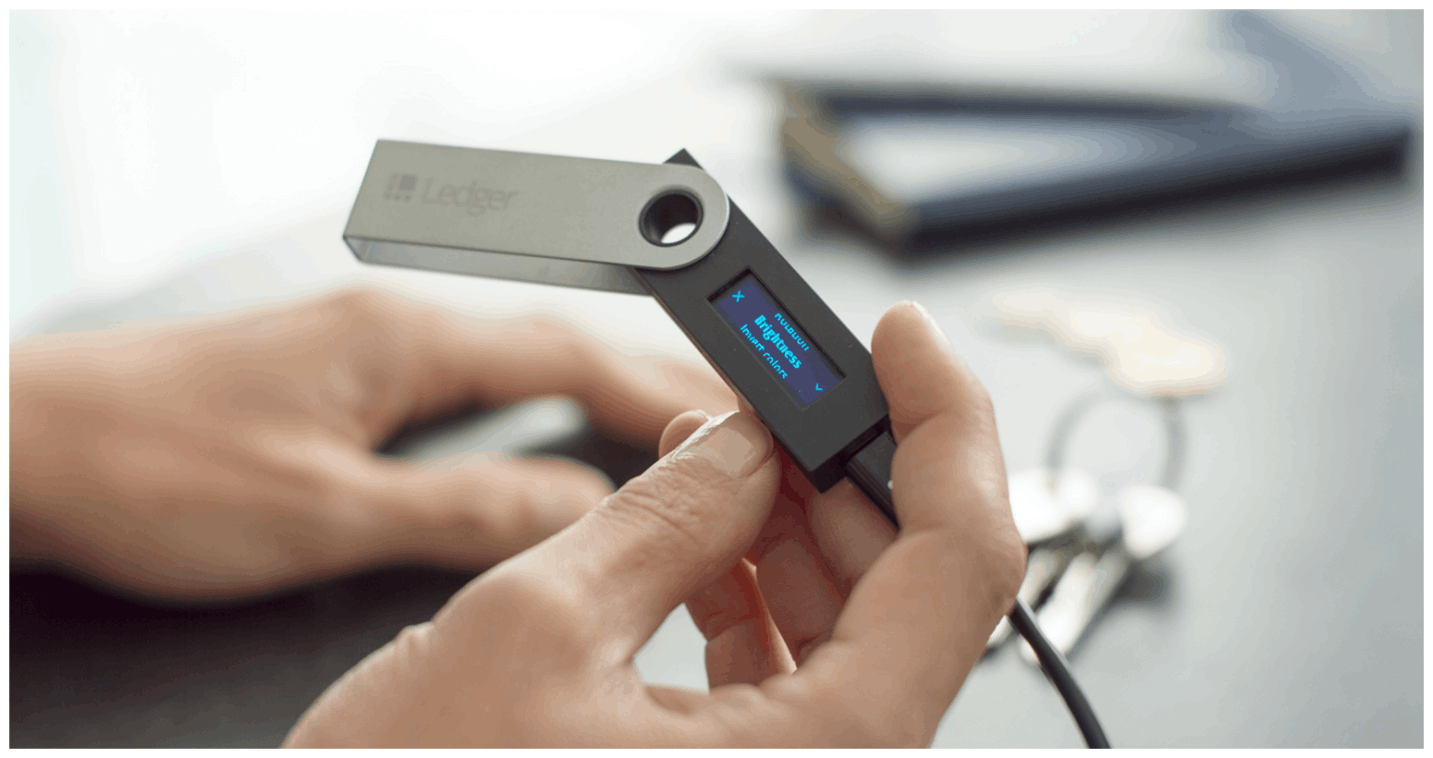
Dlaz focuses on making complex subjects understandable without removing the important details. Articles explain custodial crypto wallets, custody structures, access controls, security concepts, blockchain terminology, and related topics in accessible language. We avoid unnecessary technical complexity while maintaining the context readers need to understand how different concepts connect. The purpose is not to oversimplify digital assets, but to provide a practical starting point for readers who want a clearer foundation. This approach makes the blog useful for beginners while remaining relevant to readers who already have some familiarity with the subject.
Our content is educational rather than promotional. Dlaz does not recommend specific wallets, digital assets, investment strategies, or commercial providers. Instead, we examine concepts from multiple angles, including potential benefits, limitations, risks, and operational considerations. A neutral perspective is especially important in an area where technology, financial interests, and public expectations can change quickly. By separating explanation from promotion, we aim to give readers room to form their own conclusions and approach digital asset topics with a more balanced understanding.
Custodial crypto wallets cannot be understood through technology alone. Questions about security, ownership, access, regulation, operational responsibility, and financial infrastructure are also important. Dlaz considers these wider dimensions when discussing digital asset custody. As a Germany-based educational project connected to a leasing financial institution, we value careful communication and responsible presentation of financial topics. Our articles are intended to inform rather than encourage specific actions, helping readers understand why custodial arrangements work the way they do and what considerations commonly surround them.
Dlaz is open to anyone interested in understanding the ideas behind custodial crypto wallets and digital asset custody. You do not need a technical background, professional experience in finance, or previous knowledge of blockchain systems to explore the blog. Our content is designed for readers who want to understand the fundamentals before moving into more specialized subjects. You can explore explanations of custody models, security practices, wallet infrastructure, private keys, operational controls, and regulatory topics at your own pace. We encourage readers to approach digital assets with curiosity as well as appropriate caution. Dlaz is not a community for promoting particular investments, providers, or financial products, and joining us does not involve becoming a customer. Instead, being part of Dlaz means taking an interest in learning about an evolving area of technology and finance. Follow the topics that interest you, compare different perspectives, and return as the field develops. Our aim is to create an informative environment where complex subjects can be explored clearly, responsibly, and without unnecessary commercial pressure.